How Japan Lives Past 100: Everyday Longevity Rituals Worth Borrowing
From stopping at eighty percent full to neighborhood radio calisthenics and evening bathhouses, Japan's longest lives are built on quiet daily habits.
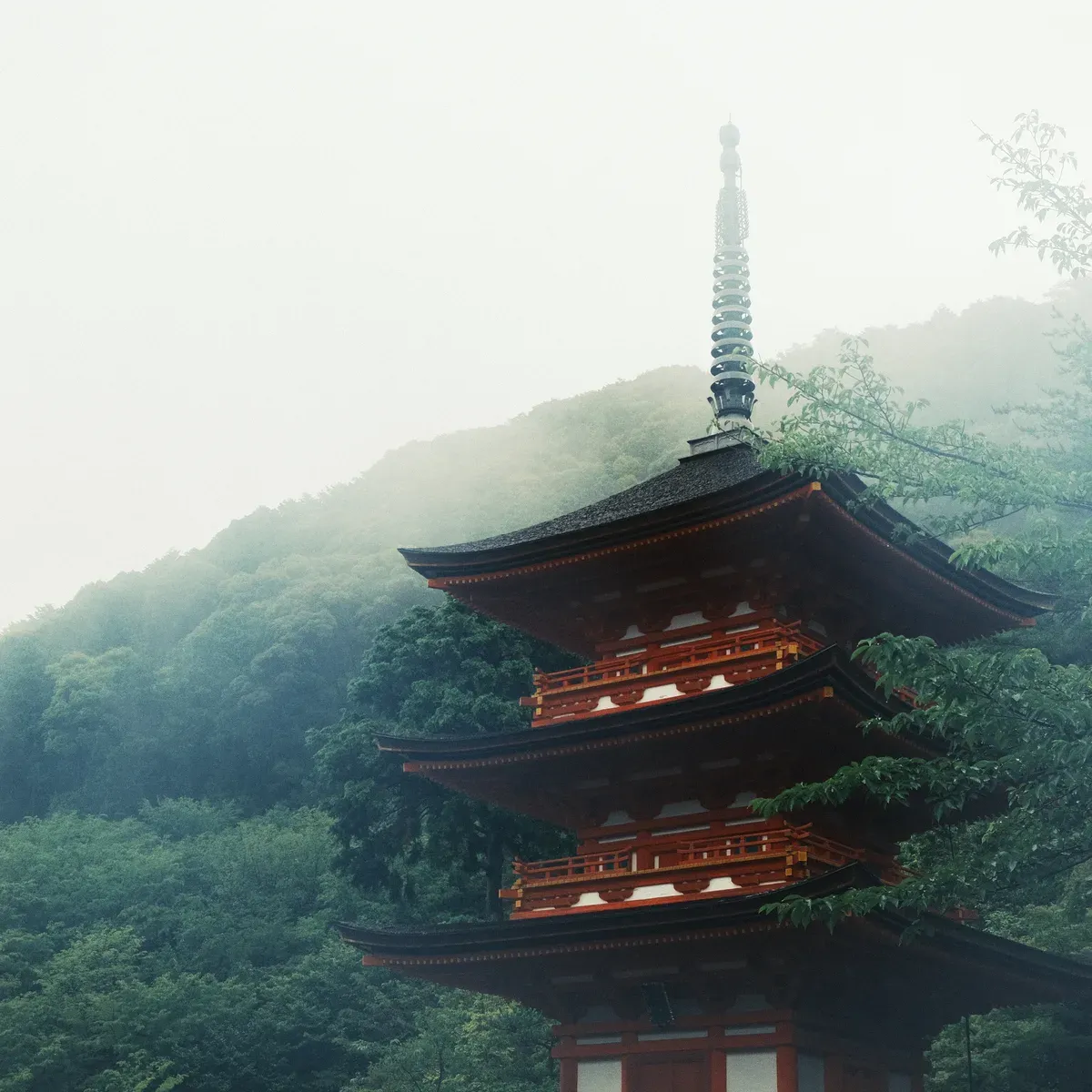
Japan has led global life-expectancy tables for decades, and Okinawa has long drawn researchers trying to figure out why so many residents stay mobile and sharp well into their nineties and hundreds. What stands out in the research is not a secret pill or an expensive clinic. Most of the country’s longevity habits are ordinary, low-cost routines woven so tightly into daily life that people rarely think of them as health practices at all.
You do not have to move to Kyoto or grow up in a fishing village to borrow the logic behind them. Here are six Japanese rituals that quietly add healthy years without turning life into a medical spreadsheet.
Hara Hachi Bu: Stopping Before You Are Full
In Okinawa, older generations often say hara hachi bu before a meal, a Confucian reminder to eat until you are roughly 80 percent full. It sounds simple, almost trivial, yet it solves a real biological lag: the stomach takes around 15 to 20 minutes to signal the brain that enough food has arrived. By putting the chopsticks down slightly early, people avoid the slow creep of overeating without counting a single calorie.
Traditional Japanese serving habits reinforce the rule. Meals arrive in several small bowls rather than one oversized plate, which encourages slower pacing and variety. You finish feeling light enough to walk after dinner instead of needing a couch.
Ikigai: A Reason to Get Out of Bed
The West turned ikigai into a neat four-circle career diagram, though in Japan the word has much less to do with finding your dream job and much more to do with having something worth waking up for today. For one person it is tending a small vegetable patch; for another it is looking after grandchildren, keeping a neighborhood shop tidy, or practicing calligraphy.
In long-running studies of older Japanese adults, having a clear sense of ikigai correlates with lower rates of cardiovascular disease and slower functional decline. Purpose does not need to be grand. It just needs to pull you out of bed in the morning and give the afternoon a shape.
Rajio Taiso: Three Minutes of Morning Movement
Every morning since 1928, Japan’s public broadcaster NHK has aired rajio taiso, a guided sequence of gentle stretching and calisthenics set to piano music. At 6:30 a.m., schoolkids, office workers, construction crews, and retirees in local parks raise their arms, twist their torsos, and loosen stiff joints together.
The routine takes about three minutes. Nobody breaks a heavy sweat, and nobody pulls a muscle chasing a personal record. That is precisely why people stick with it into their eighties and nineties: ten minutes of mobility every single morning beats an intense gym phase that ends in February.
Moai: Lifelong Social Safety Nets
In Okinawa, friends often form a moai, a small social circle that meets regularly for tea, conversation, and mutual help. Historically, members pooled small sums of money so anyone hit by a sudden expense or bad harvest had support to lean on. Even where the financial pooling faded, the habit of showing up for the same group over decades stayed intact.
Loneliness carries health risks comparable to heavy smoking or obesity, especially late in life. Knowing there is a table waiting for you every Thursday afternoon gives older adults both emotional steadiness and an early warning system when someone starts slipping.
Ofuro and Onsen: The Evening Reset
Bathing in Japan is less about getting clean quickly and more about drawing a line between the day’s work and the night’s rest. After washing outside the tub, people soak quietly in deep, hot water at home (ofuro) or at neighborhood bathhouses and mineral hot springs (onsen).
Physiologically, a warm evening soak raises core body temperature slightly; as the body cools afterward, heart rate slows and sleep tends to come faster and deeper. Culturally, leaving phones in a locker and sitting in quiet steam forces half an hour of genuine decompression.
Shinrin-Yoku: Forest Bathing Without a Goal
Coined by Japan’s forestry agency in the early 1980s, shinrin-yoku translates roughly as “forest bathing,” which simply means spending unhurried time under tree cover while paying attention with all five senses. There is no step target, no summit to bag, and no podcast playing in your ears.
Field studies in Japan have repeatedly measured lower salivary cortisol, reduced blood pressure, and steadier heart-rate variability after even short walks in woodland parks compared with identical walks on city streets. When city life keeps your nervous system slightly clenched all week, slow time among trees acts like a reset switch.
What Actually Transfers Outside Japan
Look at those six rituals side by side and a pattern emerges. None of them require specialized equipment, blood panels, or six-figure budgets. They rely on modest portion sizes, light daily movement, real-world friendships, warm evening wind-downs, and regular contact with nature.
In the next parts of this series, we will look closer at individual Japanese rituals, from traditional dining and evening bathhouses to forest walking and neighborhood communities.